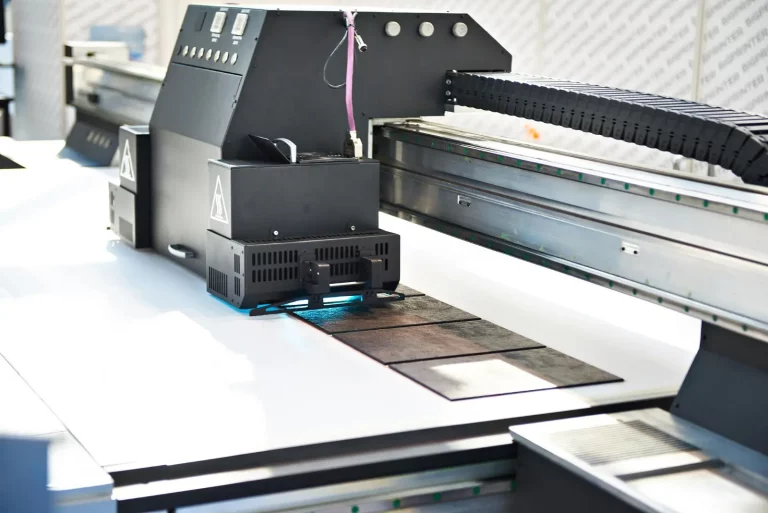
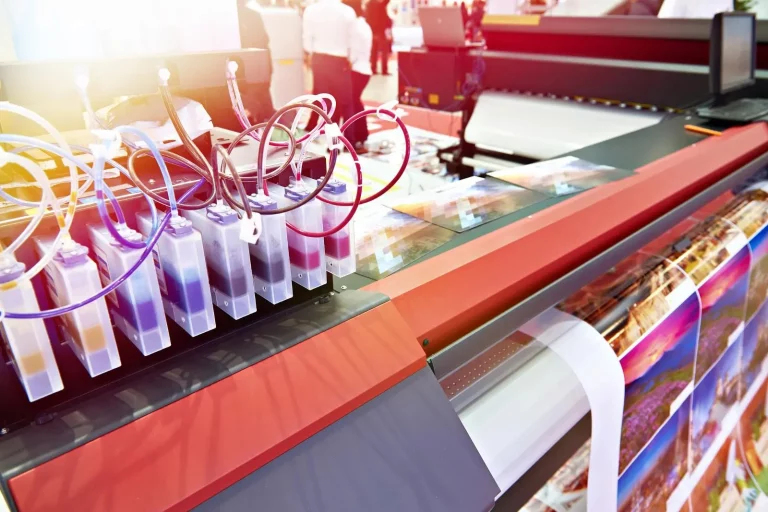
Plotters are devices widely used today in print studios and printing houses. There are several types of plotters, with particular attention deserved by solvent plotters.
Solvent plotters are widely used to produce a variety of prints on media such as advertising boards, cars, banners, billboards, light boxes, city boards, city lights, flags, tarpaulins etc.
The main advantages of solvent plotters and prints
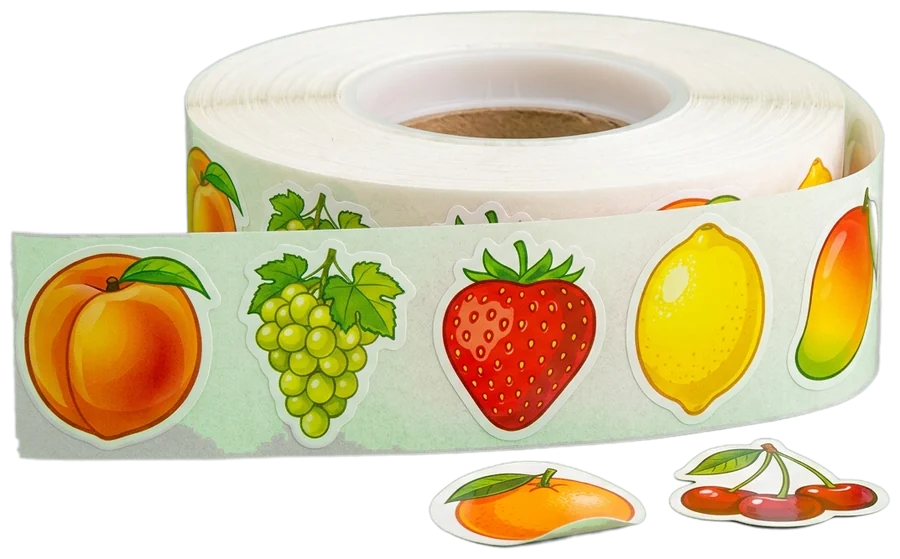
Modern plotters above all deliver exceptional print precision, efficiency and ease of use. The excellent colour saturation achieved with pigment inks based on organic solvents is particularly appreciated. They can print on materials with different substrates, which greatly widens their range of applications. Solvent plotters are useful for producing all kinds of print work — from short runs of stickers to banners and other large-format advertising media.
It is also worth considering the solvent print-and-cut plotter, which, as the name suggests, is a typical example of a “two-in-one” machine, as it can not only print but also cut graphics of any shape.
Solvent prints, in turn, are valued above all for their exceptional resistance to adverse external factors, including above all UV radiation. These features translate into the exceptional durability of prints made with solvent plotters. The technology allows inks to be applied to various substrates, such as film or canvas.
How solvent plotters work
Solvent plotters print graphics with solvent ink. This type of ink is based on cyclohexanol. It penetrates the structure of the substrate very aggressively, creating a lasting bond with it. At the same time, prints made with a solvent plotter are characterised by very high resistance to many external factors, including UV radiation, mechanical damage, abrasion, changing weather conditions, extreme temperature differences, etc.